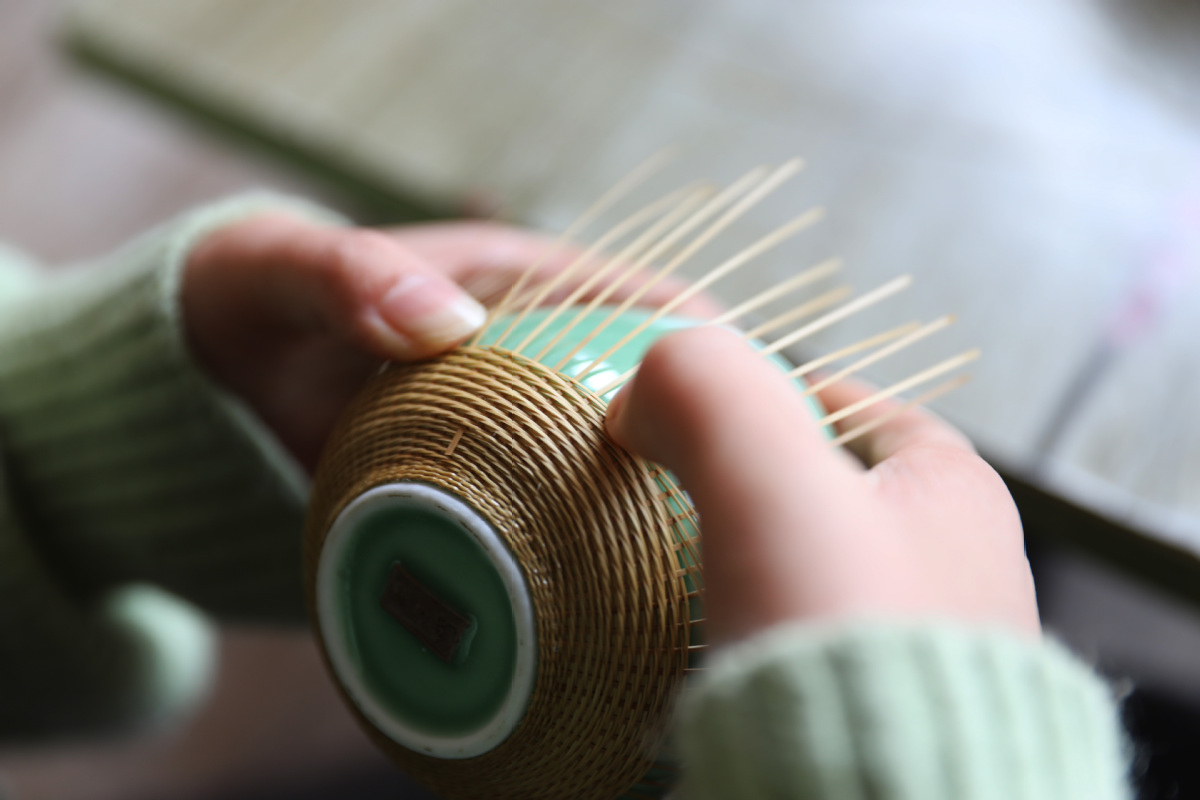
Bamboo Weaving Technique
Introduction
Bamboo weaving is a traditional craft that involves the intricate manipulation of bamboo strips to create various functional and decorative items. This ancient practice has been passed down through generations and is considered an intangible cultural heritage in several regions of China, notably in provinces like Guizhou, Zhejiang and Fujian. Bamboo weaving is not just an art form but also a means of economic empowerment, particularly for rural communities. Its applications range from creating daily necessities and agricultural tools to producing exquisite pieces of art that are appreciated both locally and internationally.
The origins of bamboo weaving can be traced back to ancient China, where bamboo has been a vital material due to its abundance and versatility. Bamboo weaving techniques have evolved over centuries, influenced by regional characteristics and the availability of bamboo species.
Impact on Life
Bamboo weaving has significant economic and social implications. In regions like Chishui, the craft has become a cornerstone of poverty alleviation strategies, providing employment and income opportunities for local communities. The success of bamboo weaving initiatives has also inspired neighboring communities to develop their own bamboo industries, furthering regional economic development.
In Zhejiang, the integration of bamboo weaving into the cultural and tourism sectors has revitalized rural areas such as Qingshan village. The infusion of art and traditional crafts into the rural landscape has attracted visitors and boosted local economies. Art festivals and exhibitions showcasing bamboo weaving have not only promoted cultural exchange but also increased the market value of locally produced crafts.
Challenges and Future Directions
Despite its rich history and cultural significance, bamboo weaving faces several challenges. The craft requires substantial time and skill to master, and the lack of written documentation means that knowledge is often transmitted orally, posing a risk to its continuity. Inheritors of the craft emphasize the need for subsidies and support to ensure the sustainability of bamboo weaving practices.
Efforts to modernize and innovate within the craft are essential to its survival. By incorporating contemporary design elements and exploring new markets, bamboo weaving can continue to thrive. Initiatives that foster cultural exchange and collaboration, both domestically and internationally, are crucial for the ongoing vitality of this intangible cultural heritage. The digital era has also opened new avenues for promoting bamboo weaving. Artisans are increasingly using social media and digital platforms to showcase their work, reaching a broader audience and attracting younger generations to the craft.








